






Imagine for a second the year is 1818. You’re ready to make dinner for the family, but there’s no such thing as a grocery store in sight and certainly nothing resembling DoorDash. So how do you go about making a meal? Before grocery stores, Appalachian families got just about everything they needed from the land around them. Folks in these times made the most out of every resource imaginable: gardening, hunting, foraging, and setting food aside for tough times. Here’s what Appalachian families ate before grocery stores existed:
Growing What You Eat
For Appalachian families, the backyard wasn’t just land; it was the pantry. Most people maintained gardens, filled with beans, corn, squash, potatoes, and cabbage. Corn would be ground into cornmeal or cooked up as grits. The “Three Sisters” method, an indigenous companion planting system, meant corn, beans, and squash were planted together, each helping the other grow and working to keep the soil healthy. Families also grew herbs and hardy greens, which could withstand cold mountain temperatures.
Hunting & Raising Meat
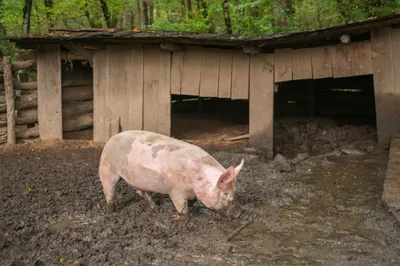
Meat came from the woods and the barn. Men hunted deer, turkey, rabbit, and sometimes even squirrels. Local streams provided a steady supply of fish like trout. Many Appalachian families kept chickens for eggs and meat, and maybe a few pigs or a cow, if they could manage it. Every part of the hog went to use. Hams, bacon, sausages, while whatever couldn’t be eaten right away got smoked or salted and put away in the smokehouse until it was needed later. Smokehouses allowed families to preserve meat for months without refrigeration, helping save the day when winter rolled around.
Harvesting the Wild
A treasure chest of food items awaited in the Smoky Mountain forests if you knew where to look. People foraged the woods for berries, nuts, leafy greens, and mushrooms. Pies and jams were made out of raspberries and blackberries. Walnuts and chestnuts were collected in the fall and saved for the winter. Certain plants, like ramps (wild spring onions) were seen as treats, beloved for their bold flavor and being full of nutrients. Foraging was about more than just having variety. Oftentimes what you found in the woods became a lifesaver during the toughest of times.
Making it Last

Imagine trying to keep your entire family fed without a refrigerator. Appalachian families managed by getting creative. Cooks became canning experts, keeping fruits, vegetables, and even meat good in jars long past harvest. Pickling was a big deal and was done to everything from beans to cucumbers and cabbage. Apples were sliced and dried out to be eaten as snacks or used in recipes later. Herbs and some veggies were strung up to dry, making them available to eat year-round.
Simple, Hearty Meals
Appalachian families ate meals that were honest and hearty. Breakfast might be biscuits, gravy, eggs, and a little cured meat. Soups, stews, and beans cooked with pork for added flavor were popular for lunch and dinner. Cornbread was a staple on the table and often served with butter or alongside greens. Diets typically changed throughout the year based on ingredients that were readily available. Homemade desserts came from whatever could be gathered or grown and turned sweet, like fruit pies or cobbler.
Many of these cooking traditions started by early Appalachian families continue to this day. You’ll still find people canning, gardening, and cooking with real, simple ingredients. Want to learn more about the early Appalachian way of life? Check out traditions of Appalachian culture that are still alive in the Smokies today!