

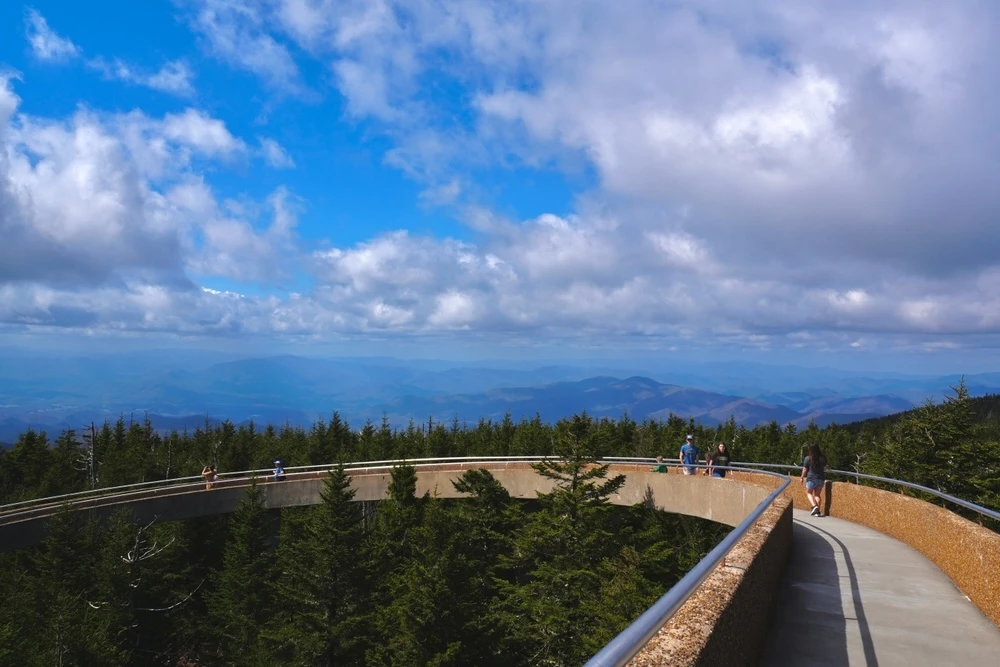
When you think of the Smoky Mountains you probably imagine sweeping mountain views, fog rolling over the valleys, and forests teeming with life. The real underrated part of the Smokies is just how dramatically the landscape changes as you travel up and down in elevation. Elevation shapes everything here, from the weather and how plants and wildlife live to the timing of the stunning fall foliage. Here’s everything you should know about changes in Smoky Mountain elevation and why it matters:
How Much Does Elevation Vary in the Smokies?
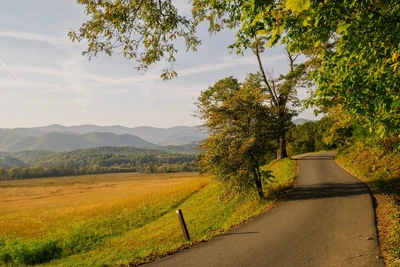
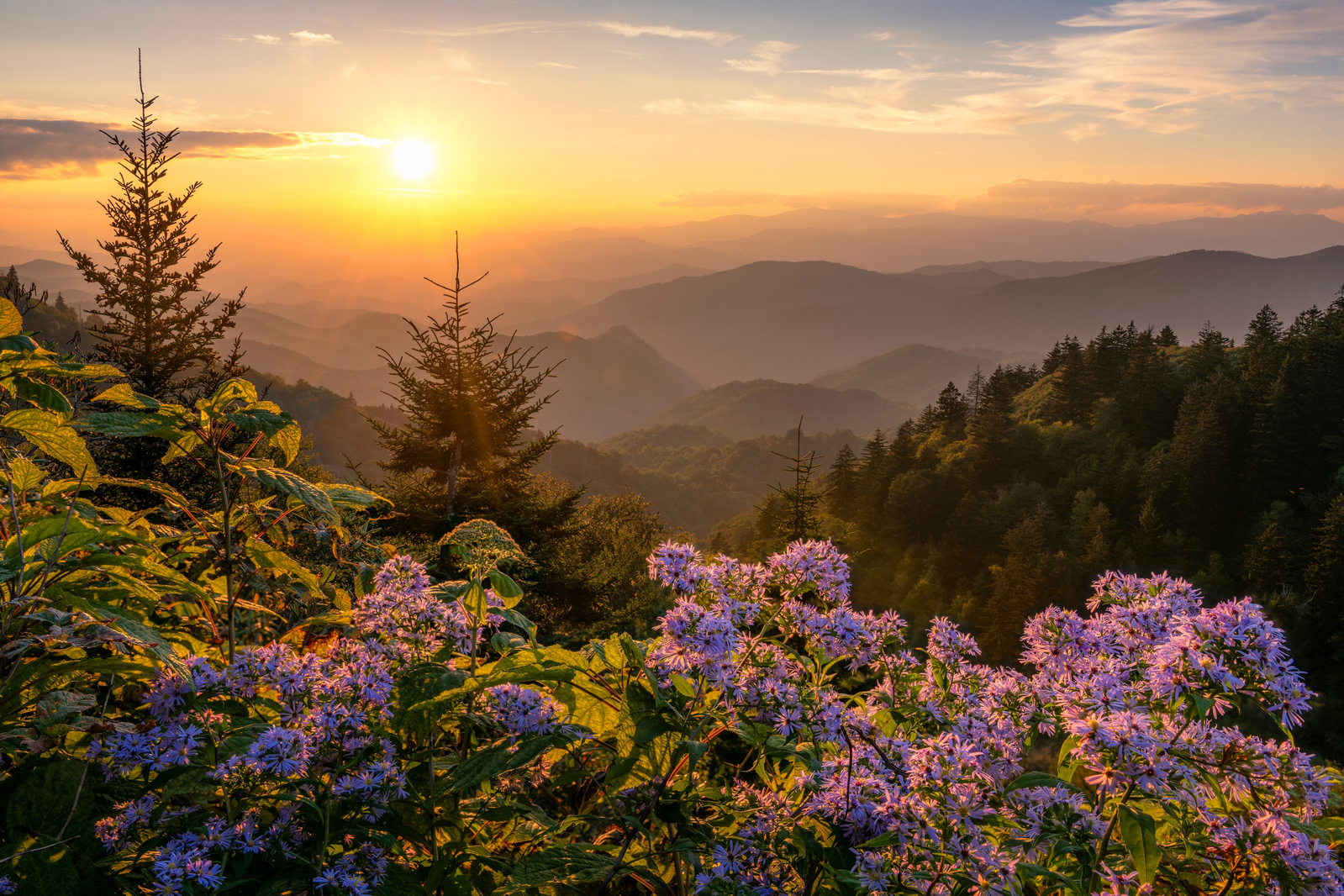
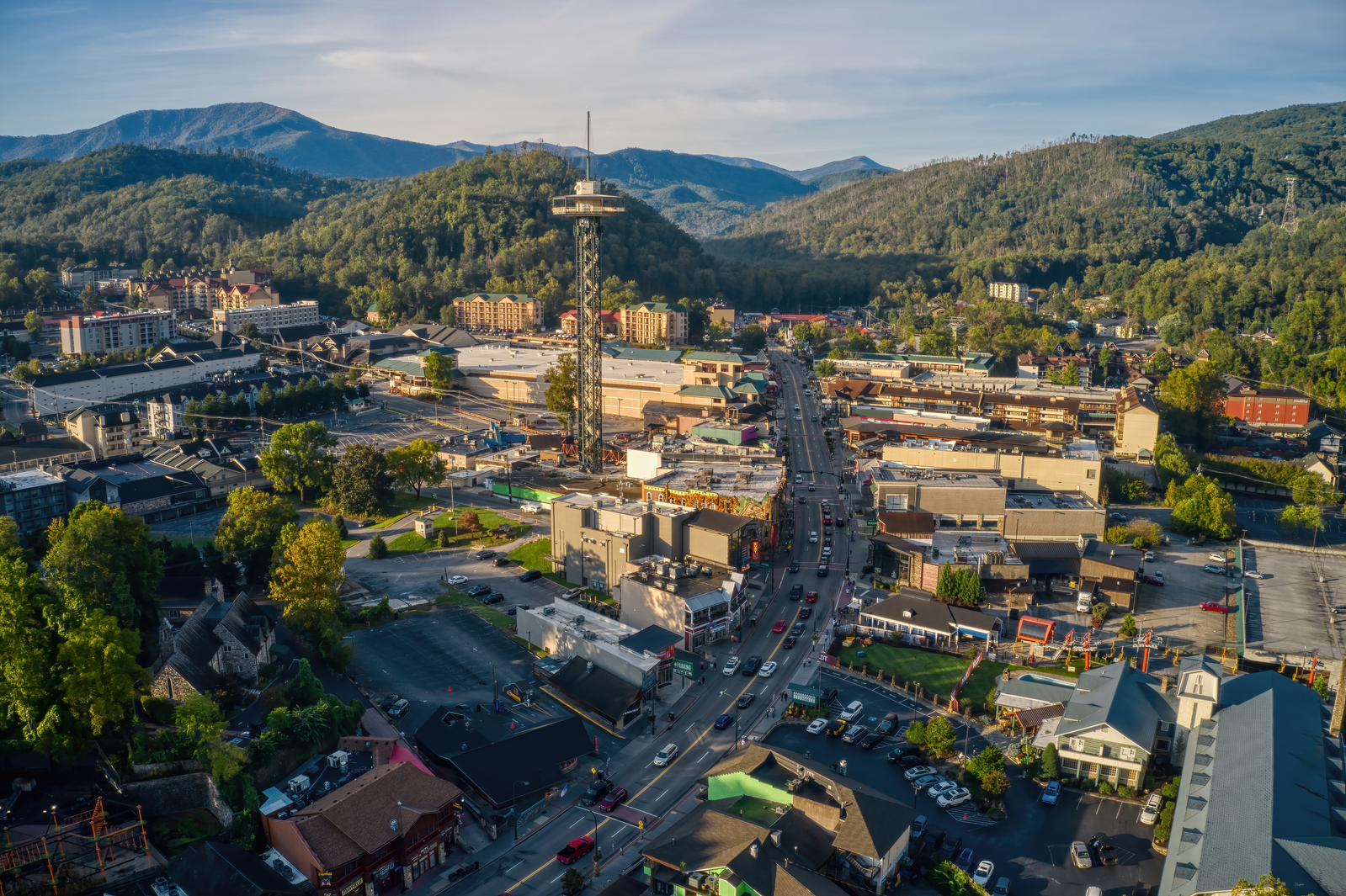
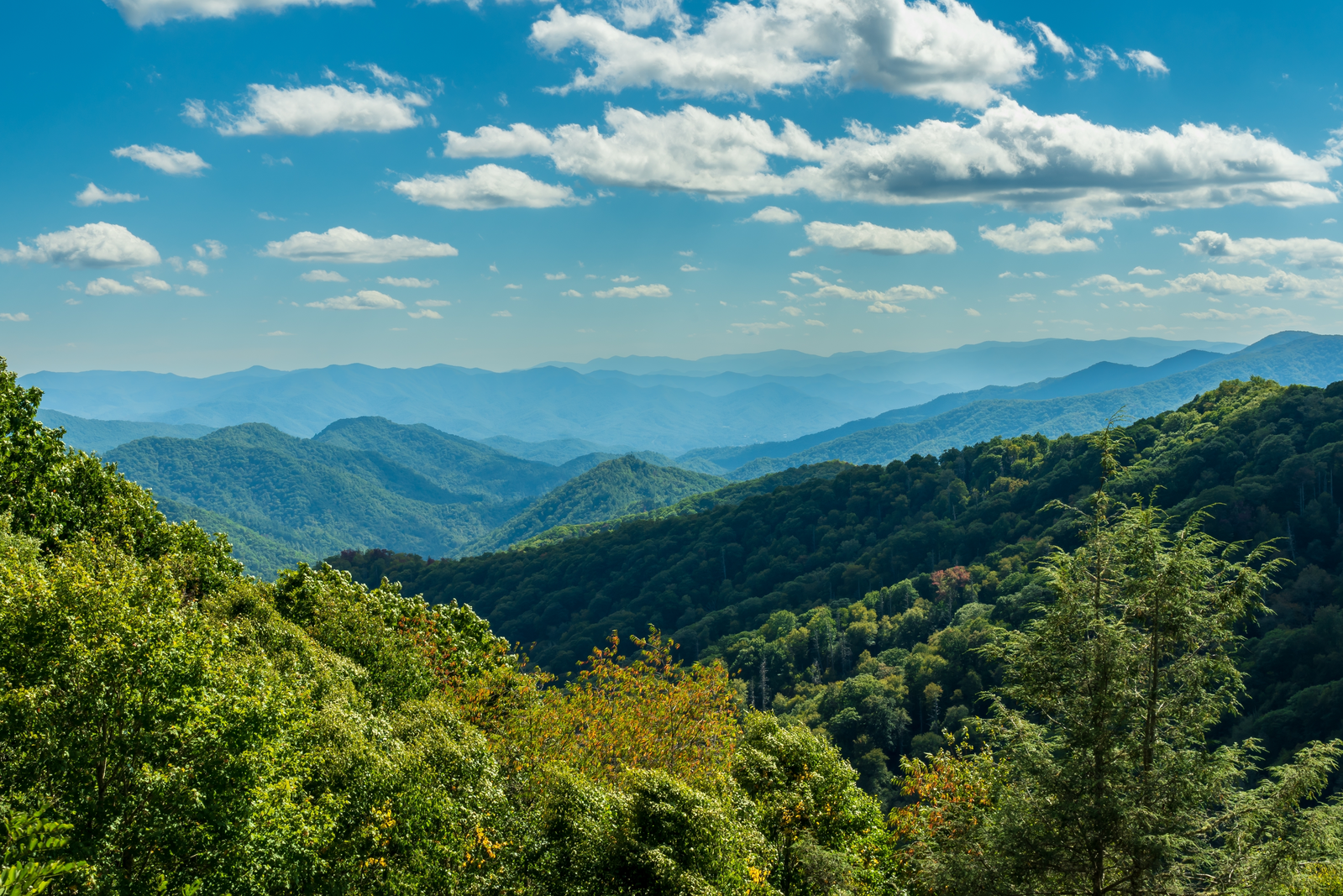
Many people who visit the Smokies don’t realize just how dramatic the elevation changes are. The national park stretches from about 875 feet above sea level all the way up to 6,643 feet, that’s over a mile of distance, from the lowest valleys to the highest point in the Smokies at Kuwohi. Formerly known as Clingmans Dome, Kuwohi is known for having some of the most incredible views in the area. Meanwhile, other popular spots like Cades Cove, Gatlinburg, and surrounding valleys sit at much lower elevations.
This significant change in Smoky Mountain elevation makes for a variety of different environments. One minute you’re in a humid, lush valley and the next you’re enjoying crisp mountain air atop a windy peak.
How Smoky Mountain Elevation Affects Temperatures
If you’ve ever driven from Gatlinburg up to Kuwohi, you’ve probably noticed the temperature drops quickly. The higher up you go in Smoky Mountain elevation, the cooler it gets. Temperatures can vary by up to 20 degrees, or more, between the base of the mountains and peaks.
It’s especially noticeable in summer, while it may be quite hot in town but feel refreshing as you climb into the mountains. Elevation also affects Smoky Mountain weather in the winter. Sometimes the valleys are rainy and mild, but up high you run into snow and ice. In fact, trails and roads in the highest elevations can become slippery and dangerous, while everything seems completely normal in town. Always check the forecast for where you’re heading and bring layers of clothing.
How Smoky Mountain Elevation Affects Fall Foliage
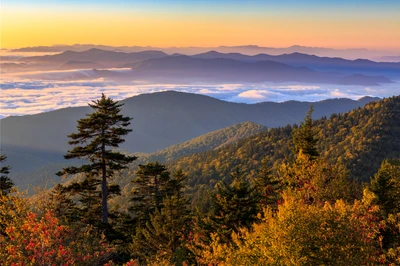
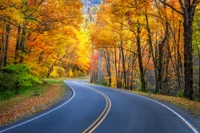
If you’re planning to visit in autumn, understanding elevation can help you decide when and where to see the most stunning Smoky Mountain fall colors. Cooler mountaintops see leaves change first, starting around mid-September, while the valleys lag behind. Above 4,000 feet, fall foliage often peaks by early October, while lower elevations typically burst into cooler a few weeks later.
The great part about this is it creates an extended fall foliage season. If you’re too late for the best of the colors in high elevations, head for lower ground where the show usually continues. Keep in mind that rainfall and temperature swings can shift the timing a little, so if you can, keep your plans loose if you want to catch peak fall foliage.
Why Elevation Matters When Exploring the Smokies
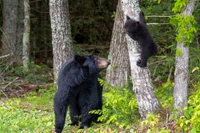
Elevation affects more than just temperatures and fall foliage in the Smokies. It also impacts rainfall patterns, vegetation, wildlife habitats, and hiking conditions. Higher elevations often see more rain and feature more variety of plants than lower elevations. This is why the region is so biodiverse, with all kinds of different tree species, plants, and animals.
If you have plans to hike, remember that higher elevations get colder, windier, and can even be harder to breathe because of the thinner air. This can make a simple walk surprisingly strenuous. Dress in layers, bring plenty of water, and check trail conditions before heading out.
Understanding Smoky Mountain elevation changes can help you make smarter plans, pack what you need, and make the most of your trip to the area. Want to learn more about some of the most spectacular high-evelation spots in the Smokies? Check out our guide to the highest peaks in the Smoky Mountains!