

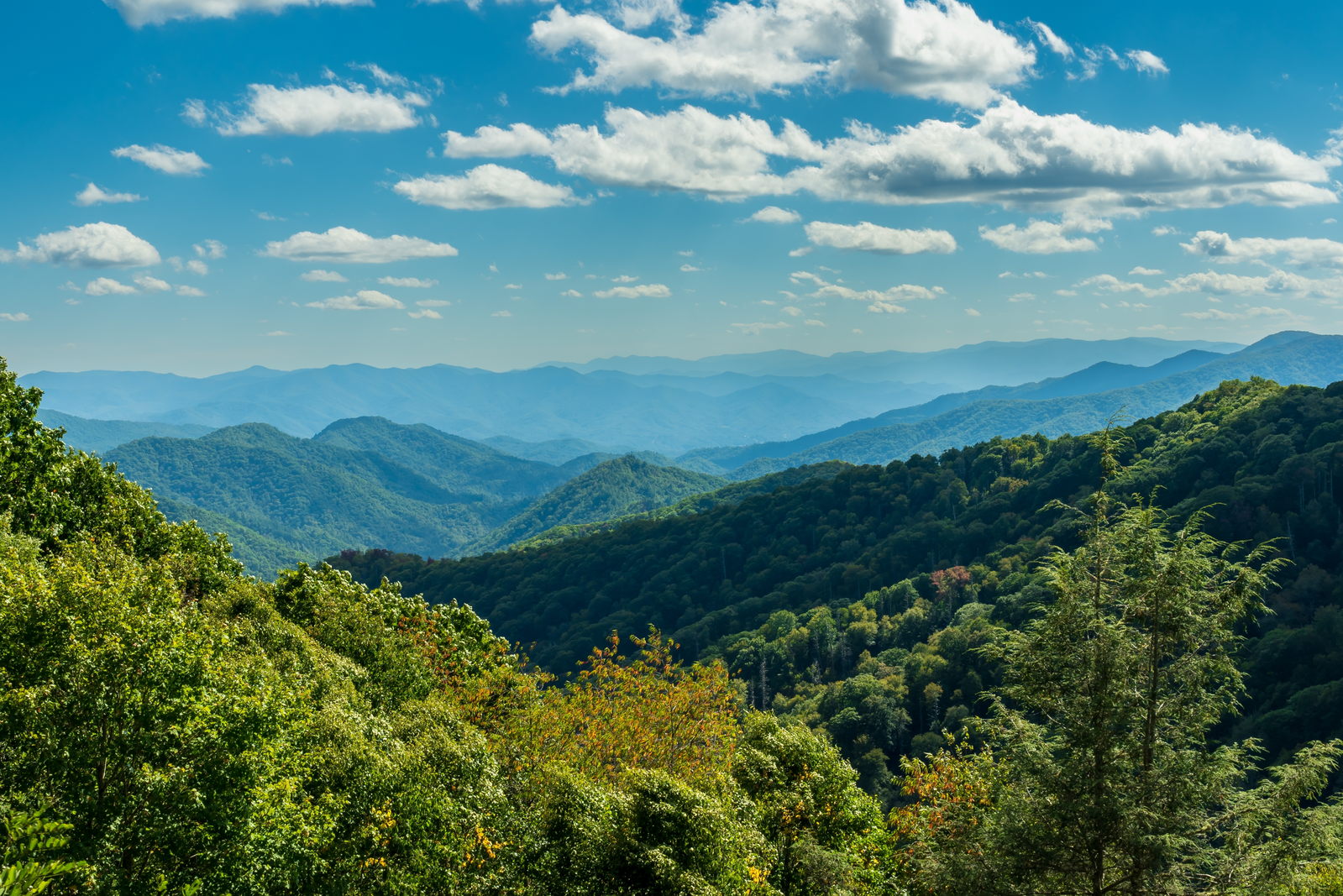

If you’re heading to the Smokies, you’ve probably heard all sorts of things about the weather. Some tips are helpful, but a lot of what people say just isn’t true, and those myths trip up a lot of visitors. The Smoky Mountains have wild swings in elevation, the weather can shift in a heartbeat, and what you expect might not line up with reality. Knowing what’s really going on with the weather helps you make the most of your trip, no matter the season. Here are 5 myths about weather for the Smoky Mountains you shouldn’t believe:
Myth #1: If Rain’s in the Forecast, Your Day is Ruined
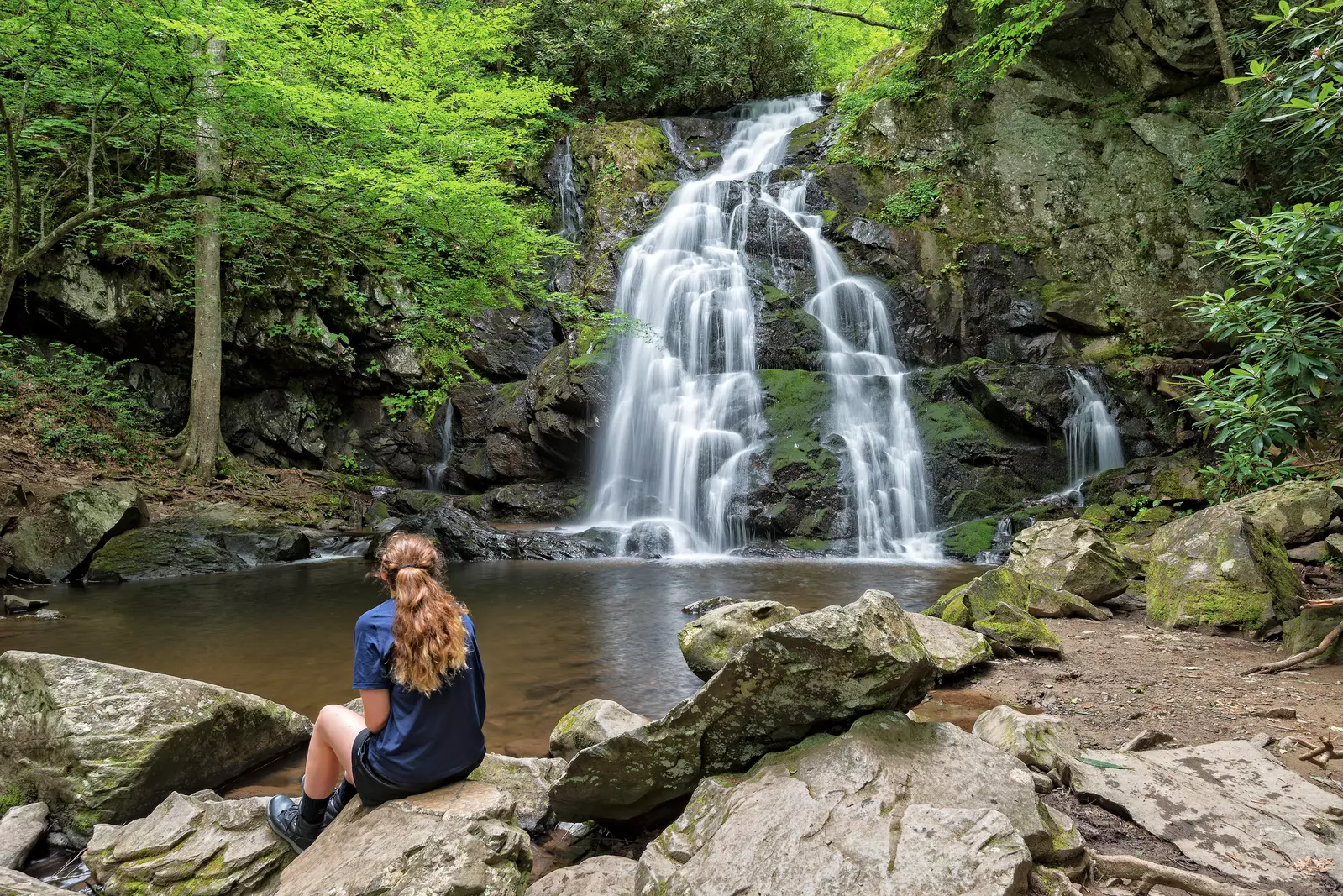
Many people see rain in the forecast and automatically assume they’ll be stuck indoors the whole day. In reality, most showers are brief, and storms often pop up and disappear fairly quickly, especially during spring and summer afternoons. You’ll still find time for hikes, drives, or wandering around town in between showers. Pack a rain jacket and be flexible with your plans to keep rain from putting a damper on your vacation.
Myth #2: The Weather is the Same Everywhere in the Park
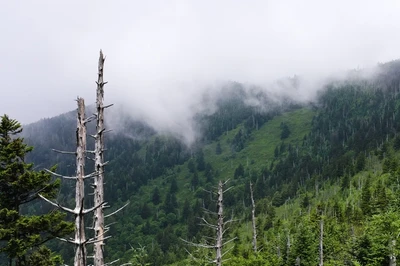
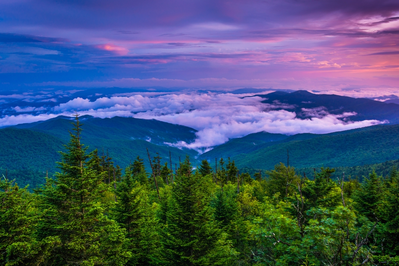
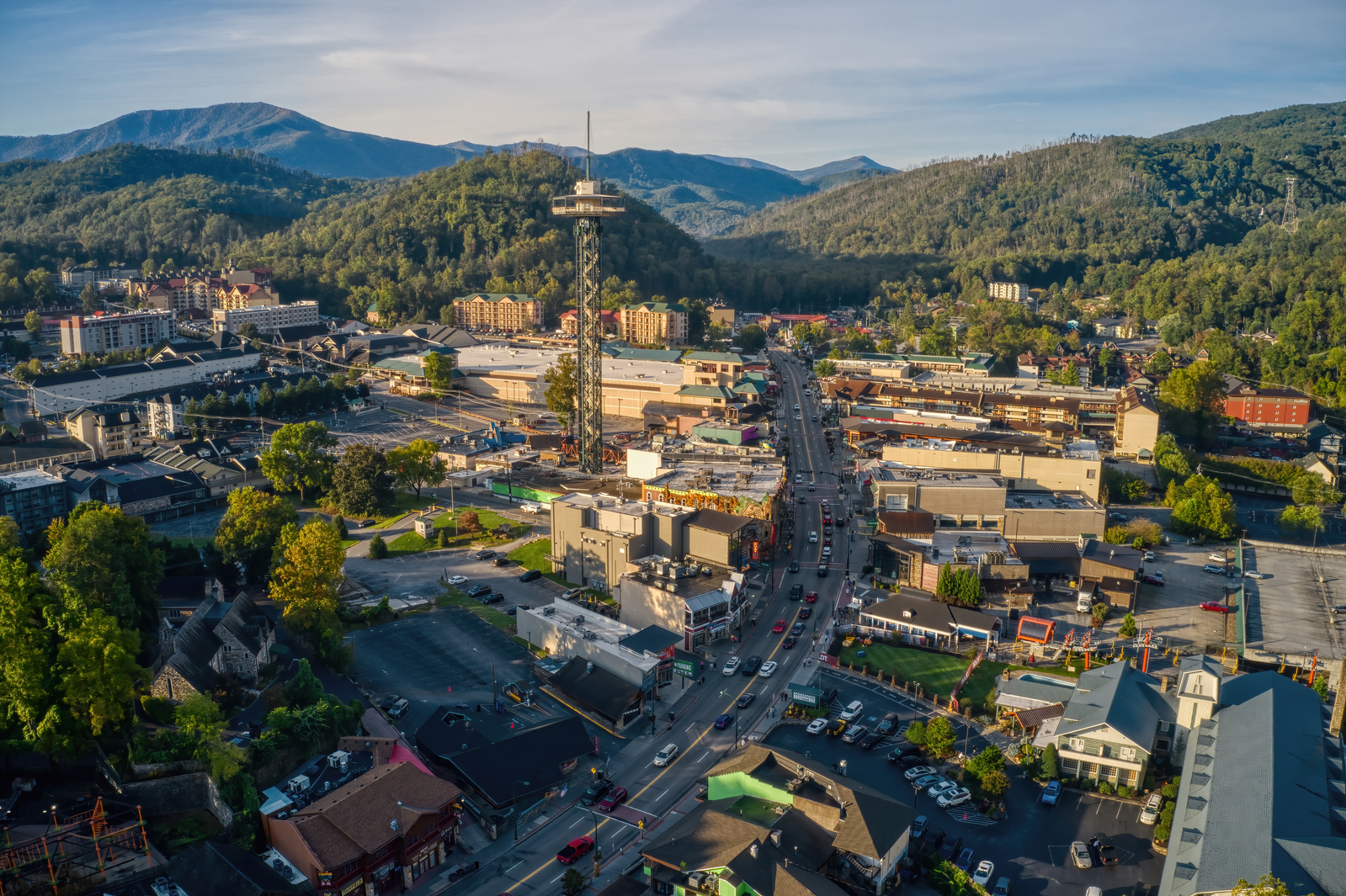
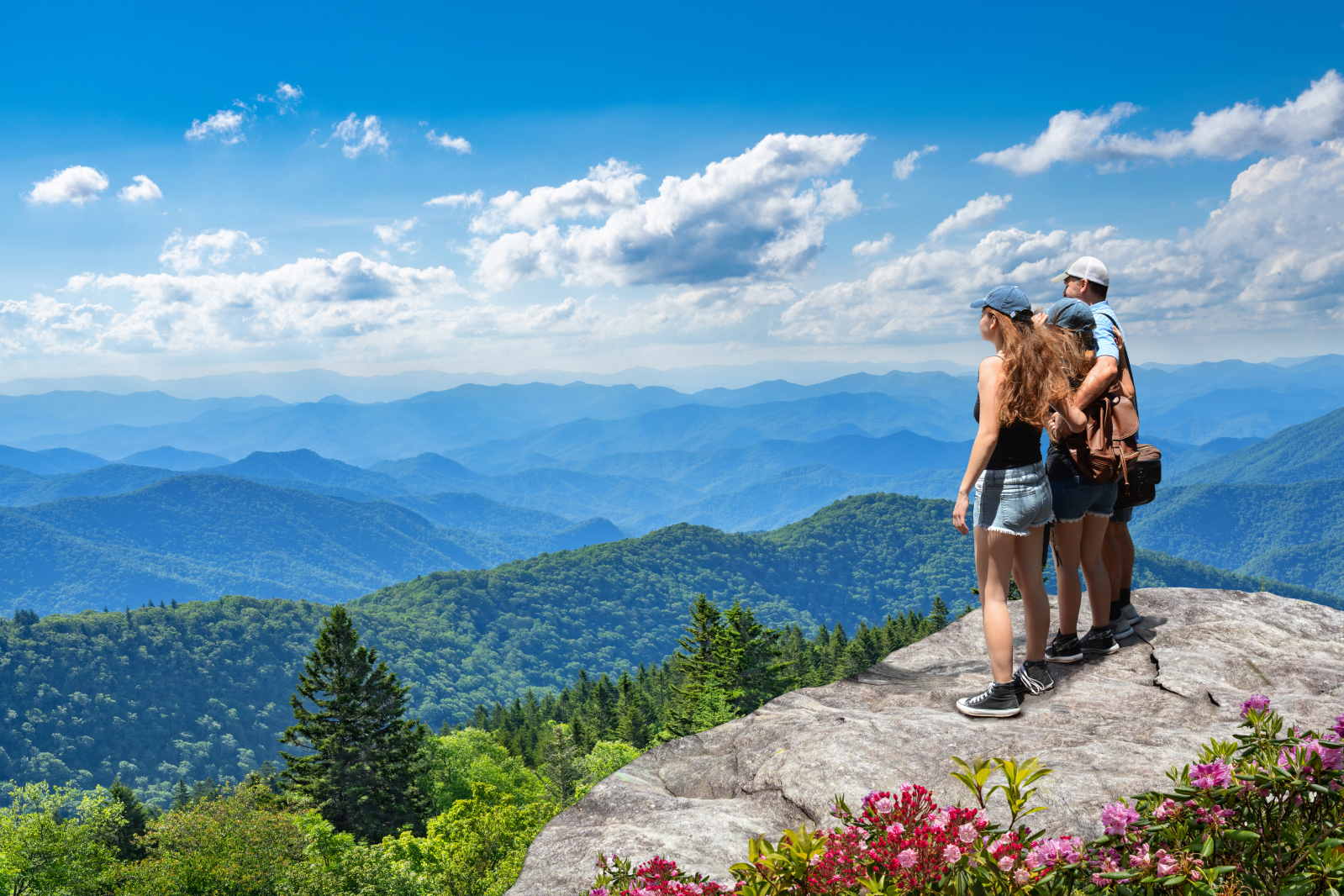
More than half a million acres stretch from low valleys to peaks above 6,600 feet tall in the Smokies. That means the weather can look, and feel, totally different just a few miles apart depending on elevation and other factors. Maybe it’s sunny and warm in Gatlinburg but cold and windy at Kuwohi, located at a much higher elevation. Sometimes it can be around 20 degrees cooler at higher elevations. That’s why checking the weather for the Smoky Mountains, particularly for the specific areas you plan to visit, is so important.
Myth #3: Summer’s Always Miserably Hot
Yes, during summer it can get quite warm in the valleys. But head up in elevation and it can feel quite comfortable. Spots like Newfound Gap and Mount LeConte can feel downright refreshing, even at the peak of summer. If you’re trying to beat the heat, plan your hikes for the morning. Meanwhile, afternoon showers can provide a nice break from the heat. Plus, you simply can’t beat the feeling of a cool mountain breeze.
Myth #4: Winter Means Constant Snow and Closed Roads
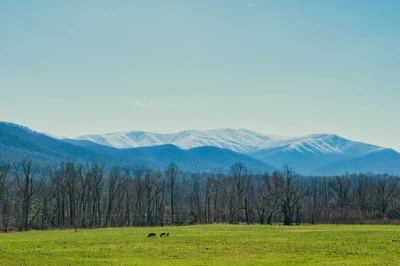
A lot of people skip winter trips because they’re worried about snowy weather. They picture the whole area buried in snow for months. That’s simply not the case. While high elevations can get heavy amounts of snowfall, the snow in places like Gatlinburg and Pigeon Forge is actually quite manageable. You’ll see snow occasionally, but many winter days feature sunshine and temperatures reaching the 50s. Occasional road closures typically occur in higher elevations, but most of the national park remains open.
Myth #5: Weather Forecasts Are Always Spot On
Mountain weather has a mind of its own. Your morning might be full of sunshine that turns to fog and drizzle by lunch. Forecasts are useful, but keep in mind that things can always change in a hurry. Locals and folks who visit often are prepared for any surprises: layers, waterproof gear, and sturdy shoes. When you’re prepared, you can easily take on whatever the weather decides to throw your way.
Check the Weather for the Smoky Mountains
So, what’s the main takeaway from these myths? No matter when you visit, knowing how unpredictable the weather is means you won’t get caught off guard. Don’t let old myths or one bad forecast keep you from adventure. Our meteorologist Paul Poteet always has the latest on the weather for the Smoky Mountains, so you can stay in the loop about what’s on the horizon when you’re visiting the Smokies!